
Here's the short version. Lift two or three times a week. Use weights that actually challenge you. Learn five basic movements. Add a little weight or a rep every week or two. Rest between sessions. That's it. That's the whole thing. Everything else is noise.
Now let me explain why that matters, because the "why" is what keeps you going when strength training for women beginners.
When you lift something heavy, your muscles get tiny tears in them. Sounds bad. It's not. Your body repairs those tears and makes the muscle a little stronger than before. That's the whole process. Stress, repair, stronger. Repeat. Simple.
For women, this process does something extra. It protects your bones. Women lose bone density faster than men, especially after menopause. Lifting weights is one of the few things that actually tells your bones to stay dense. Cardio doesn't do this. Yoga doesn't do this. Only resistance does. If you're in your twenties or thirties, you're building a bank account for your bones. If you're older, you're still making deposits. It's never too late.
Then there's the metabolism thing. Muscle burns calories. Fat doesn't. So a woman with more muscle burns more energy sitting on the couch than a woman with less muscle does. Same couch. Same Netflix. Different body. That's not a gimmick. That's just how the body works.
And yeah, there's the confidence part. I know every article says that. But it's true. When you can lift something you couldn't lift a month ago, you walk a little different. You sit up straighter. You stop apologizing for taking up space. That part sneaks up on you.
But I Don't Want to Get Bulky
I've heard this a thousand times. I said it myself.
You won't. I promise.
The women you see on magazine covers and bodybuilding stages? They train for years. They eat a very specific way. Many of them use drugs. That physique is a full-time job. It does not happen by accident. It does not happen from lifting ten-pound dumbbells three times a week.
Here's the actual reason. Testosterone. Men have way more of it than women. Something like fifteen to twenty times more. Testosterone builds muscle. Women have enough of it to get strong and defined, but not enough to get big unless they're doing everything on purpose.
What strength training does for most women is create what people call "tone." Tone is just muscle you can see because there's less fat covering it. The muscle was always there. Lifting makes it denser and more visible. You'll look firmer. Maybe smaller in some places even if the scale doesn't move. That's normal.
So if you're nervous, start light. Higher reps, lower weight. You'll build strength and endurance without size. Then adjust later if you want. Just don't let fear keep you out of the weight room. That fear is based on something that isn't real.
Your First Month: What to Actually Do
Your first month is not about transforming your body. It's about learning. Your only job is to show up, learn the movements, and finish each workout feeling like you could've done one more rep. That feeling is your signal to add weight next time.
Read Also: Beginner Strength Training Workout At Home
How Many Days?
- Two days a week is enough to start. Three is better if you can recover. Don't do more. Muscle repair happens on rest days. If you train the same muscles back to back, you're interrupting the repair and asking for an injury.
- Two days? Split them. Monday and Thursday. Tuesday and Saturday. Whatever works.
- Three days? Alternate. Monday, Wednesday, Friday. Rest the other days.
What You Actually Need
You don't need a gym. A pair of dumbbells between five and fifteen pounds depending on your strength. A resistance band for pulling. A sturdy chair. That's it. If you have gym access, great. If you don't, you're fine.
The Five Movements That Cover Everything
Every good workout is built on five patterns. Learn these and you can train your entire body with a handful of exercises.
- Squat. You sit down and stand up with weight. Trains your thighs, hips, and core.
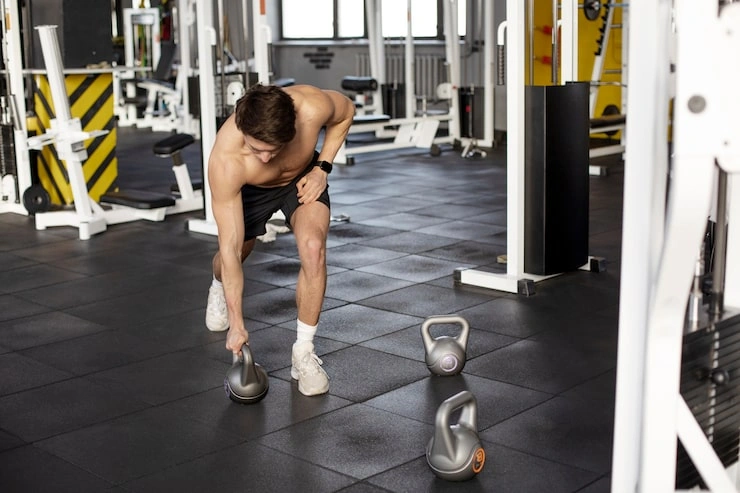
- Hinge. You push your hips back with a flat back. Trains your glutes, hamstrings, and lower back. Think of picking something off the floor.
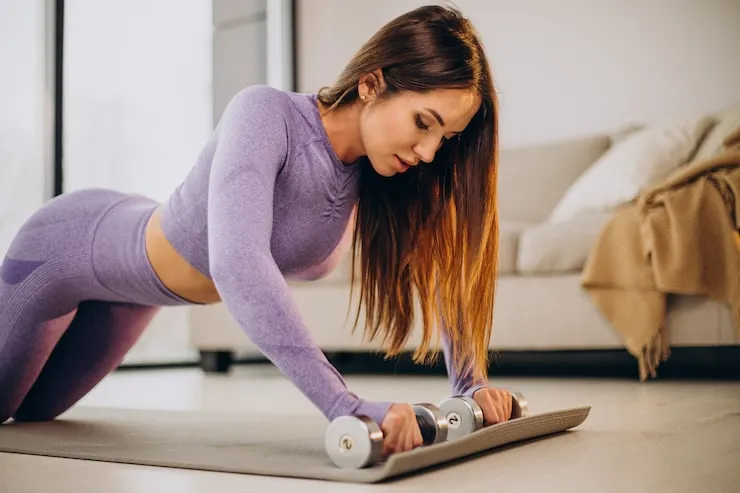
- Push. You move weight away from your body. Push-ups, chest presses, shoulder presses. Trains chest, shoulders, triceps.
- Pull. You move weight toward your body. Rows, band pulls. Trains your back and biceps.
- Carry. You hold weight and walk. Farmer's carries. Trains your grip, core, and posture.
- One or two exercises from each pattern. That's a full workout. You don't need twenty exercises. You need five done consistently.
Your First Workout
Warm up five minutes. March in place. Arm circles. Hip circles. Then:
- Goblet Squat. Hold one dumbbell at your chest. Sit down and stand up. 2 sets of 10.
- Glute Bridge. Lie on your back, knees bent, feet flat. Lift your hips and squeeze your glutes at the top. 2 sets of 12.
- Incline Push-Up. Hands on a sturdy chair or bench. Lower your chest toward the surface. Push back up. 2 sets of 8.
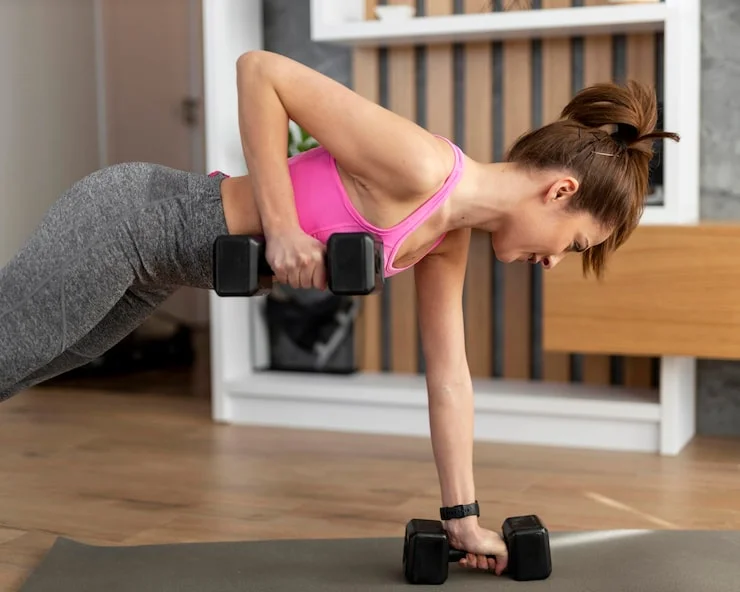
- Dumbbell Row. Hinge forward, one hand on a chair for support. Hold a dumbbell in the other hand. Pull it toward your hip. 2 sets of 10 per arm.
- Farmer's Carry. Dumbbell in each hand. Walk slowly for 30 seconds. 2 rounds.
Rest 60 to 90 seconds between sets. Whole thing takes 25 to 35 minutes. If you finish feeling like you could do one more set, you nailed it. If you're wiped out, do less next time.
When to Add Weight (This Part Trips Everyone Up)
Here's the rule. When you can finish all your sets and reps with good form and the last rep feels like you could do two or three more, make it harder.
Two ways to do that.
Add reps. Was doing 8? Do 10. Was doing 10? Do 12.
Add weight. Once you hit 12 reps comfortably, go up. Smallest jump available. 10 pounds to 12. 15 to 17.5. 20 to 25.
Don't do both at once. Add reps first. When you top out your rep range, add a little weight and drop back to the bottom of the range. Build back up. Repeat.
What weight should you use? Pick something that lets you finish your reps with control but makes the last two or three genuinely hard. If you could do ten more after your set, too light. If your form falls apart before you finish, too heavy. The right weight lives somewhere in the middle. It'll be different for every exercise. That's fine.
What the First Two Months Actually Look Like?
Weeks one and two: Awkward. Movements feel weird. You'll be sore for a day or two after your first few sessions. That soreness fades as your body adapts. No visible changes yet. Maybe climbing stairs feels slightly easier. That's it.
Weeks three and four: Less awkward. You remember how to set up without checking your notes as much. You can add a rep or a small amount of weight to most exercises. Maybe your lower back doesn't ache after sitting all day like it used to. That's your nervous system learning to coordinate your muscles. The strength in this phase comes from your brain and nerves, not muscle growth. That's normal.
Weeks five through eight: Things feel different. Exercises that wrecked you in week one feel manageable. You're lifting heavier. Clothes might fit differently. You might see a bit more shape in your arms or legs. The scale may not have moved. That's fine. Muscle is denser than fat. You can look firmer and smaller at the same weight.
Most women don't see dramatic physical change in the first two months. That's expected. What you will see is strength. You'll do things you couldn't do before. That's the real progress. The visible stuff follows. It just takes longer, and it depends on diet, sleep, and genetics.
You May Also Like: 20 Minute Full Body Workout With Weights For Beginners At Home
Mistakes That Slow You Down
Skipping the warm-up. Five minutes. Every time. It's not optional. Cold muscles tear easier.
Using weights that are too light. If you can do 20 reps easily, it's too light to build strength. Lighter weights have a place. That place is not "getting stronger."
Training the same muscles two days in a row. Muscle repair takes 24 to 48 hours. Give it time. Full-body workouts naturally space things out. That's one reason they work so well for beginners.
Comparing yourself to someone else. The woman next to you at the gym might have been training for years. The woman on Instagram might be using filters and good lighting. Your only comparison is you from last week. Slightly stronger? Slightly more consistent? You're winning.
Quitting because the scale didn't move. Muscle weighs more than fat by volume. You can lose fat and gain muscle at the same time and see zero change on the scale. Measure progress by how clothes fit, how strong you feel, how your energy changes. The scale is one data point and strength training for women beginners.
FAQs
How long until I see results?
You'll feel stronger in two to three weeks. Clothes might fit different in four to six weeks. Visible muscle takes two to three months of consistent training. Depends on your starting point, diet, sleep, genetics. The women who see results fastest are the ones who show up, eat enough protein, and sleep.
Do I need a trainer?
No. Helpful? Sure. Required? No. Start with bodyweight and light dumbbells. Watch videos of the movements. Use a mirror. If you can afford a few sessions, do it. If you can't, you'll be fine.
What should I eat after a workout?
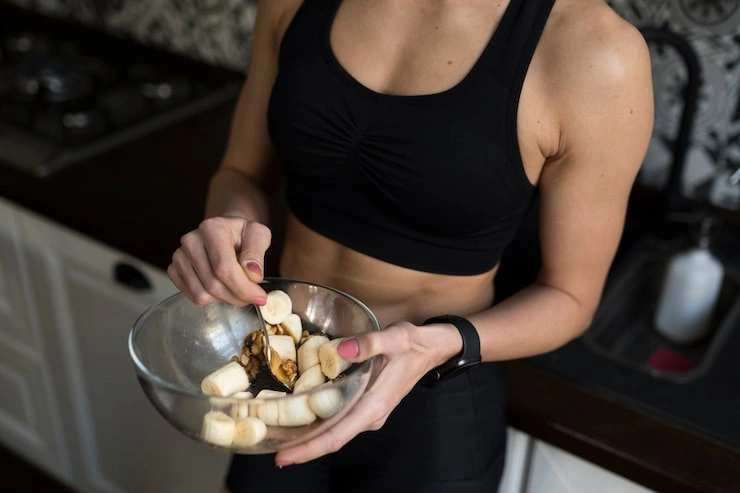
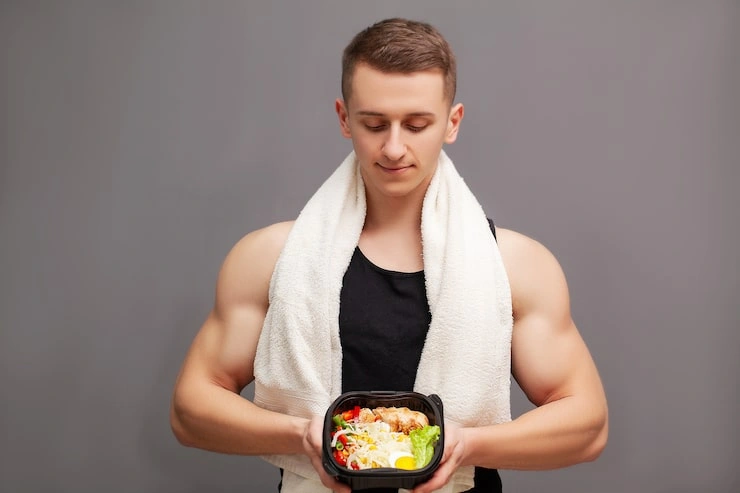
Protein. Muscle repair needs amino acids. Greek yogurt, protein shake, chicken, fish, eggs, tofu. Within a few hours of training is fine. No rush. No special supplement. Just enough protein across the day. Rough guideline: aim for about one gram of protein per pound of body weight daily. Individual needs vary.
Can I do cardio on rest days?
Yes. Walking, swimming, cycling, light jogging. All fine. Just don't do intense cardio that leaves you wrecked the day before a strength session. Your body needs energy to lift. Moderate movement helps recovery. It doesn't hurt it.
What if I miss a week?
Nothing happens. You won't lose progress. You might feel a little weaker on your first session back. Strength returns fast. Worst thing you can do is skip a second week because you missed the first. Just start again. Drop the weight a little if it feels harder.
Machines or free weights?
Both work. Machines are easier to learn because they guide you. Free weights train more muscles at once and build strength that carries into real life. Either is fine as a beginner. Best choice is the one you'll actually do.
Should I train abs separately?
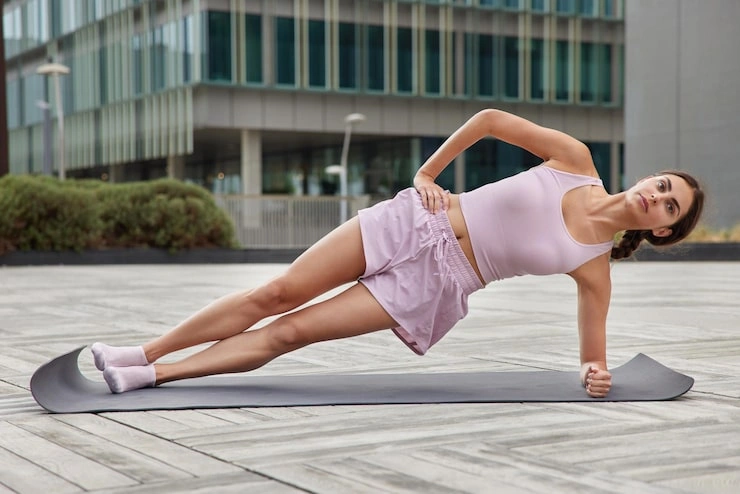
No. Your core works in almost every exercise, especially squats, deadlifts, and carries. You don't need a separate ab routine as a beginner. Want to add planks at the end? Go ahead. Not necessary though.
The Only Thing That Actually Matters
The women who get stronger aren't the ones with the perfect program or perfect form. They're the ones who come back. They show up on the days they feel like it and the days they don't. They do a little more than last time, or they do the same and accept that some weeks are harder. They don't quit because a workout was messy or because they missed a week.
You don't need to be perfect. You need to be consistent. Two sessions a week, every week, for two months will change your body more than six sessions in one week followed by three weeks off.
Start with the workout above. Do it twice this week. Do it again next week. Add weight or a rep when you can. Rest when you need to. Eat protein. Sleep. That's the whole formula. Everything else is detail.