


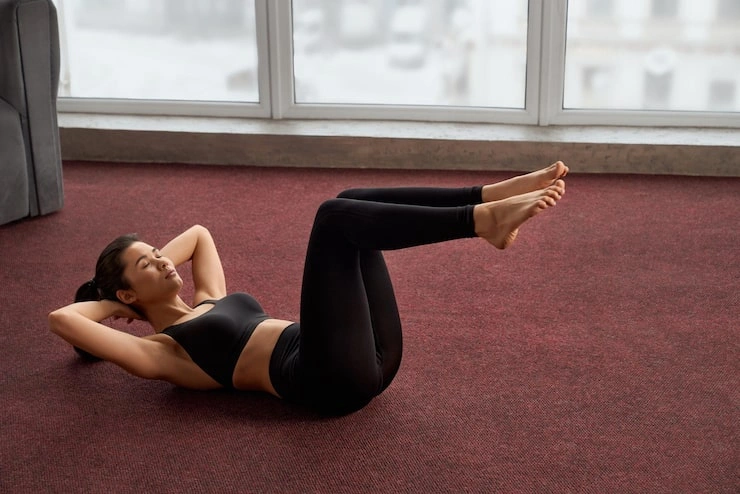
Let me guess. You live in a small place. Your bedroom is also your living room. Your kitchen is in the hallway. You want to work out. But you have no space. You look around. There is a bed. There is a table. There is no room for anything else. I get it. I have been there.
You think you need a gym. You think you need weights. You think you need a big open floor. You do not. You need your body. That is it. That is all you need. Your body is heavy. Your body is resistance. Your body is your equipment. Let me show you how to do this. No fancy talk. No complicated plans. Just simple stuff that bodyweight workout for small spaces.
Stop Making Excuses About Space
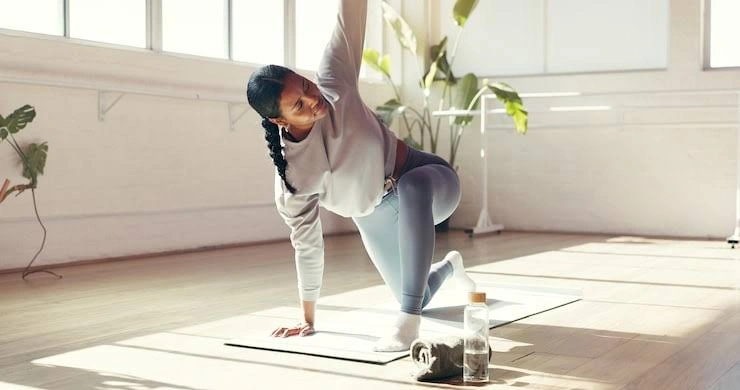
People say they have no room. They point at their small apartment. They say it is impossible. Is it though? Stand up right now. Look down at your feet. See that spot? That spot is big enough. You can stand there. You can squat there. You can lunge there. You can do push-ups there. That spot is your gym.
You do not need to walk around. You do not need to jump all over. You stay in one place. You move up and down. You move forward and back in that same tiny square. Your neighbors do not care. They cannot hear you. You are not stomping. You are not dropping weights. You are just moving your body quietly. So stop saying you have no space. You have space. You just have to use it right.
Read Also: Workout Plan For Women Over 40 Beginners
The Moves That Actually Matter
Do not overthink this. There are only a few moves you really need. Everything else is extra. These moves work your whole body. They are simple. They are old school. They are effective.
Push-ups
Push-ups are your chest workout. They also hit your shoulders and your arms. And your stomach gets work too.
Start on your hands and knees. Put your hands on the floor. They should be a little wider than your shoulders. Walk your feet back. Keep your back straight. Do not let your butt go up in the air. Do not let your hips sag down. Keep your whole body like a straight board.
Lower your chest to the floor. Go as low as you can. Push back up.
Too hard? Put your hands on a chair. Or a table. Or the wall. Do them at an angle. It is easier. You will get stronger. Then you can go to the floor.
Squats
Squats are your legs and your butt. They are the most important move you can do. You do squats every day anyway. You squat when you sit down. You squat when you pick something up. Train this move. It makes life easier.
Stand with your feet apart. Same as your shoulders. Keep your chest up. Look straight ahead. Sit your hips back. Go down like you are sitting in a chair. Go down until your legs are at a right angle. Push through your heels. Stand up.
Do not let your knees cave inward. Push them out. Keep them in line with your toes.
Lunges
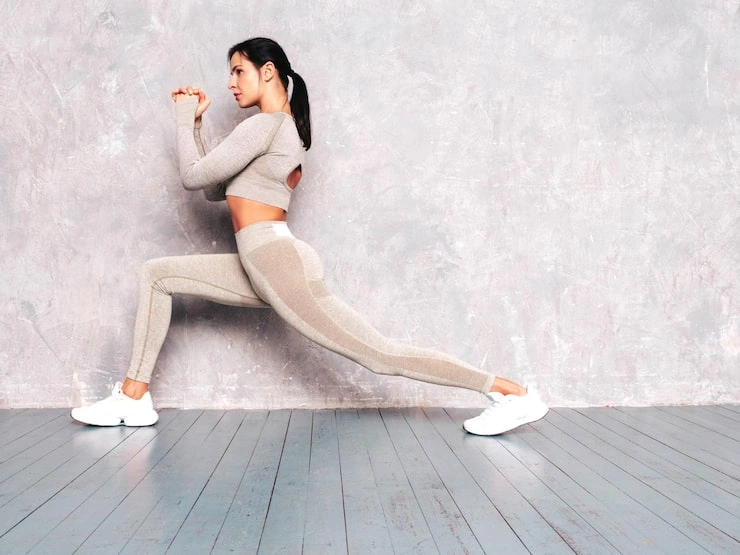
Lunges work one leg at a time. This is good. This fixes imbalances. One leg is often stronger than the other. Lunges even them out.
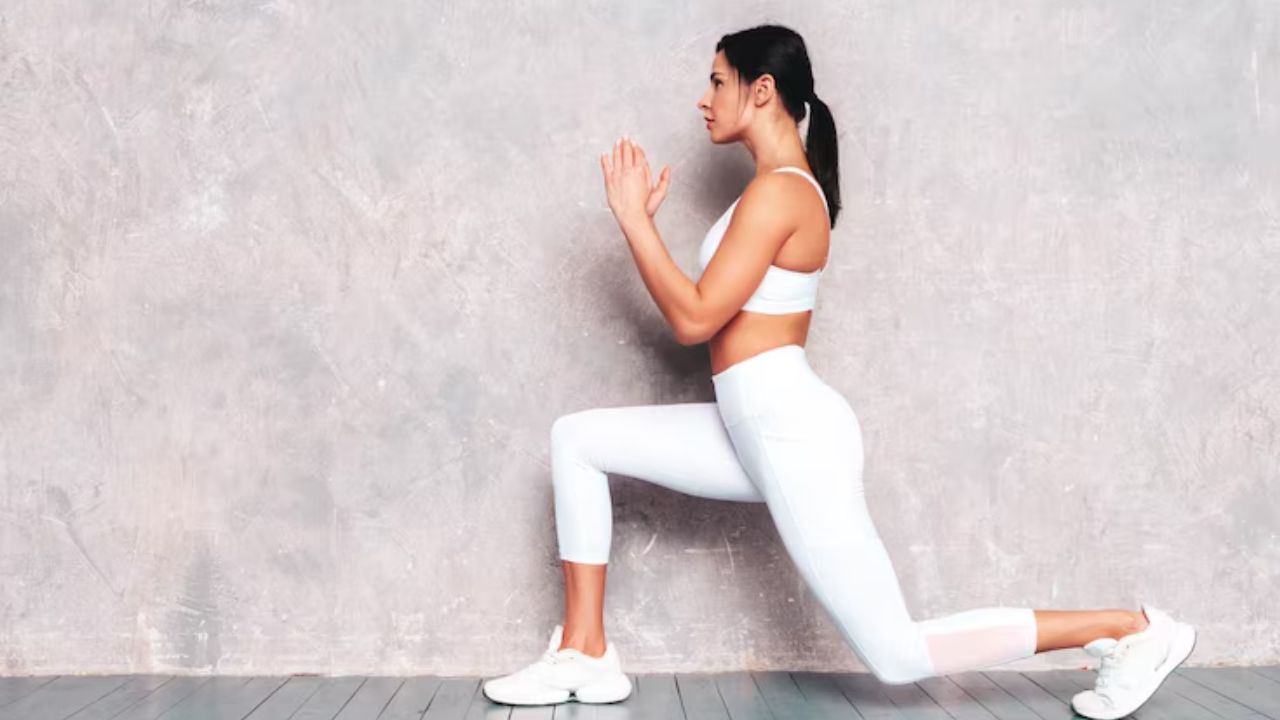
Stand with your feet together. Step forward with one foot. Bend both knees. Lower your back knee toward the floor. Keep your front knee over your ankle. Do not let it go past your toes. Push off your front foot. Step back to starting position.
Do all your reps on that leg. Then switch.
You can also do these in place. Step forward and back. You do not need to move around the room.
Planks
Planks are your core. Your core is your middle. It holds everything together. A strong core protects your back. It helps you stand up straight. It makes every other exercise better.
Get on your hands and knees. Step your feet back. Hold your body straight. Like a push-up position but you stay still. Keep your stomach tight. Do not let your hips drop.
Too hard? Do it on your knees. Keep your knees down. Hold your upper body straight. That is easier. Work up to a full plank.
Three Plans for Three Different People
Not everyone is at the same level. That is fine. Pick the plan that matches you. Do not pick the hard one because you think you should. Pick the one you can actually do.
Plan One: For Beginners
This is for you if you have not worked out in a long time. Or never. Or if you are coming back after an injury.
Do two rounds. Rest as much as you need. Do not rush.
- Push-ups on a chair or wall. Do 8 to 12 of these.
- Squats. Do 10 to 15.
- Lunges. Do 8 on each leg.
- Plank on your knees. Hold for 20 seconds.
That is it. That is your workout. Do it three times a week. When it gets easy, move to the next plan.
Plan Two: For People Who Have Done This Before
You know the moves. You have some strength. You need more challenge.
Do three rounds. Rest less between exercises.
- Regular push-ups on the floor. Do 10 to 15.
- Slow squats. Go down for three seconds. Come up fast. Do 12 to 15.
- Lunges without holding anything. Do 10 on each leg.
- Full plank. Tap your shoulder with your opposite hand. Do this 10 times on each side.
This plan will make you sweat. It will make your muscles burn. That is good. That means it is working.
Plan Three: For The Strong People
You have been at this for a while. You need harder stuff.
Do four or five rounds.
- Push-ups with your feet up on a chair. Or push-ups with your hands close together. Do 15 to 20.
- Pulse squats. Go down to the bottom. Come up just a little. Go back down. Do not come all the way up. Do 15 to 20 of these little pulses. They burn.
- Split squats. Put your back foot on a chair. Lunge down with your front leg. Do 12 on each leg. This is hard.
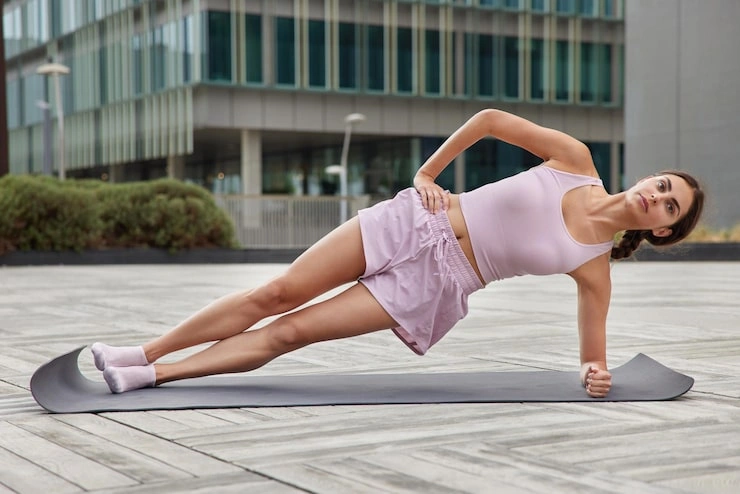
- Side plank. Hold on one side for 30 seconds. Switch. Hold the other side.
This plan is tough. If you finish this and you are not tired, you are not pushing hard enough.
How To Get Stronger Without Buying Anything?
This is the part people do not understand. They think they need heavier weights to get stronger. They think bodyweight workouts stop working after a while.
That is wrong.
You can make bodyweight workouts harder forever. You just have to bodyweight workout for small spaces.
Slow down. Do your squat in five seconds. Do your push-up in five seconds. Go down slow. Come up slow. That makes it way harder. Your muscles are working the whole time.
Do more. Add one rep every week. Add one round every week. Small increases add up over time.
Rest less. Take shorter breaks. If you rest for one minute, rest for 45 seconds. Then 30 seconds. Less rest means more work.
Change the angle. Put your feet up for push-ups. Put your hands up for squats. Change the angle. The exercise changes.
Use one leg. Do a squat on one leg. Hold onto something for balance. This is very hard. This is very effective.
Track what you do. Write it down. A notebook is fine. A note on your phone is fine. Write down your reps and your rounds. Next week, do more. That is progress.
You May Also Like: 20 Minute Full Body Workout At Home For Beginners
What Most People Get Wrong?
Let me tell you the big mistakes I see. Avoid these and you will be fine.
Going too fast. People rush. They think fast equals good. Fast equals momentum. Momentum means your muscles are not doing the work. Slow down. Feel the muscle work. That is what builds strength.
Not resting. People think more is better. They work out every day. Their muscles never recover. Recovery is when you get stronger. Not during the workout. After. Rest is not lazy. Rest is part of the plan.
Thinking it is too easy. Some people try one workout and say it is too easy. They go back to the gym. They never push themselves with bodyweight. They never try the hard variations. They give up too soon. Bodyweight workouts can be brutal. You just have to do the hard versions.
Bad form. This is the biggest one. People do push-ups with their back sagging. They do squats with their knees caving in. They do lunges with their knee going past their toes. They get hurt. They blame the exercise. The exercise is fine. The form is bad. Learn the form first.
Do You Really Need Equipment?
You do not need anything. I mean that. Your body is enough.
- But some people like a little something extra. That is fine. It is not required.
- A mat is nice. It gives you grip. It keeps your hands from slipping. A towel works too. Or a carpet.
- Resistance bands are small. They take no space. You can put them in a drawer. They add resistance to your squats and your push-ups.
- A TRX strap goes over a door. It lets you do rows for your back. Your back is important. Push-ups work your front. Rows work your back. They balance each other out.
- But again. You do not need these. They are extras. Do not buy them thinking you need them to start. You do not.
FAQs
Can I really build muscle with just my body?
Yes. Look at gymnasts. They do not lift weights. They use their body. They are strong. They have muscle. Your body is heavy. Moving your body builds muscle. It is simple physics.
How many times a week should I do this?
Three times is good. Four times is good. Five times is fine. Listen to your body. If you are sore, rest. If you feel good, work out.
What if I have low ceilings?
Do not jump. Do not reach up high. Stay on the floor. Do push-ups. Do planks. Do squats. Do lunges. No jumping. No overhead stuff. Problem solved.
What if my neighbor complains about noise?
Do not jump. That is the noisy part. Everything else is quiet. You are just moving on the floor. There is no noise. Your neighbor will not even know you are working out.
What if I cannot do a full push-up?
Do it on your knees. Do it on a wall. Do it on a table. Start easy. Get stronger. Then do the hard one. Everyone starts somewhere.