






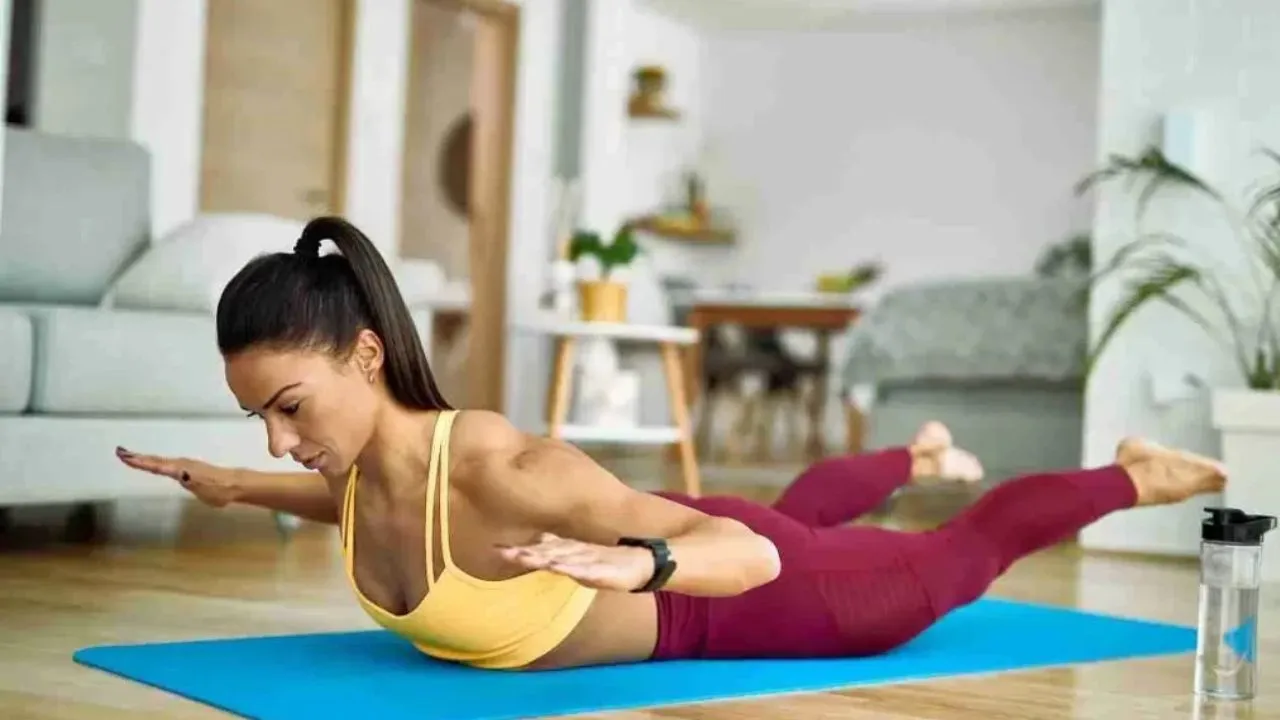
If your lower back feels stiff, tight, or achy after sitting, sleeping, or moving through your day, a mobility flow can help ease that tension. The goal is not to stretch as hard as you can. The goal is to move your spine and hips through gentle ranges so the muscles around your back stop guarding and start working again.
This guide gives you a complete flow you can do at home. It also explains why each movement matters and how to stay safe while doing it.
Important note: This article is for general information. It is not medical advice. If your back pain is sharp, getting worse, or comes with numbness or weakness in your legs, talk to a doctor or physical therapist before trying any exercise routine.
Why Mobility Helps Lower Back Pain?

Your lower back does not work alone. It shares the job of supporting your body with your hips, your upper back, and your core. When your hips are stiff or your upper back cannot rotate well, your lower back often pays the price. It takes on extra movement and extra load, which can lead to stiffness and discomfort.
A mobility flow works on the whole system, not just the spot that hurts. It asks your hips to move, your spine to bend and rotate gently, and your breathing to stay calm. That combination helps reduce the feeling of tightness and reminds your body that movement is safe. Research and clinical practice both support gentle movement for most cases of lower back pain. Resting too much often makes stiffness worse, not better.
The flow below is built around that idea. It is slow, controlled, and meant to be repeated regularly rather than done once.
Read: 20 Minute Full Body Workout With Weights For Beginners At Home
Before You Start: Three Rules to Follow
Rule one: Pain is your guide. You should feel a gentle stretch or mild effort. You should not feel sharp pain, stabbing pain, or pain that travels down your leg. If you feel any of those things, stop the movement and rest.
Rule two: Move slowly. This is not a workout where speed matters. Take your time with each repetition. Let your breath guide the pace. If you notice you are holding your breath, pause and reset.
Rule three: Warm up first. Spend three to five minutes walking around your home or marching in place before you begin. Cold muscles and stiff joints do not move as well. A simple warm-up makes the flow more comfortable and mobility flow for lower back pain.
Read Also: Strength Training For Women Beginners
The Mobility Flow: Seven Movements for Your Lower Back
Do these movements in the order listed. The sequence moves from gentle spinal work to hip mobility and finishes with a calming position. For most movements, aim for five to ten slow repetitions or a hold of twenty to thirty seconds.
1. Pelvic Tilts
Lie on your back with your knees bent and your feet flat on the floor, about hip-width apart. Let your lower back rest in a comfortable position. Now gently flatten your lower back toward the floor by tightening your belly muscles. Hold for a moment, then release and let your back return to its natural curve. Move slowly and breathe the whole time. This movement teaches your lower back and pelvis to move together without tension.
2. Lower Trunk Rotations
Stay on your back with your knees bent. Slowly let both knees fall to one side as far as feels comfortable. Pause there for a breath, then bring your knees back to center and let them fall to the other side. Keep your shoulders relaxed on the floor. Do not force the range. The goal is to let your lower back rotate gently, which helps restore movement in a direction many people lose after long periods of sitting.
3. Cat-Cow
Come onto your hands and knees. Your hands should be under your shoulders and your knees under your hips. As you breathe in, let your belly drop toward the floor and lift your chest and tailbone slightly. As you breathe out, round your spine toward the ceiling and tuck your chin gently. Move slowly between these two shapes. This is one of the most effective ways to move your whole spine through a comfortable range without loading it heavily.
4. Single Knee to Chest
Lie on your back again with both knees bent. Bring one knee toward your chest using your hands behind your thigh. Hold it there for fifteen to thirty seconds while breathing slowly. You should feel a stretch in your lower back and hip. Release and switch sides. This movement helps release tension in the glutes and lower back muscles that often tighten up when you sit for long hours.
5. Child’s Pose Reach
From your hands and knees, sit your hips back toward your heels. Reach your arms forward on the floor and let your chest lower toward the ground. If your knees are uncomfortable, place a pillow behind your knees or between your calves and thighs. Hold this position for twenty to thirty seconds while taking slow breaths. This shape lengthens your lower back gently and gives your nervous system a moment to settle.
6. Hip Flexor Stretch
Kneel on one knee with the other foot forward, like a lunge position. Keep your torso upright and gently shift your weight forward until you feel a stretch at the front of the hip of the kneeling leg. Do not arch your lower back to get more stretch. Keep your belly slightly engaged. Hold for twenty to thirty seconds, then switch sides. Tight hip flexors are common in people who sit a lot, and they can pull on the lower back in ways that create discomfort.
7. Supine Twist
Lie on your back with your knees bent. Let both knees fall to one side while keeping your shoulders flat on the floor. You can use a pillow under your knees for support. Turn your head gently in the opposite direction if that feels comfortable. Stay here for thirty to sixty seconds, breathing slowly. Then switch sides. This is a gentle way to finish the flow and let your spine relax into rotation.
How Often Should You Do This Flow?
You can do this flow every day if it feels good. Many people find that a short daily practice works better than a longer session once a week. The movements are gentle enough that daily practice is usually safe for healthy people with mild stiffness.
If you are new to mobility work, start with three or four times per week and see how your body responds. Some soreness after the first few sessions is normal, especially if you have been inactive. Sharp pain is not normal. If something hurts in a way that feels wrong, stop and give your body time to recover.
Consistency matters more than duration. Ten minutes of focused movement most days will do more for your back than a single hour-long session followed by a week of sitting.
What to Do If a Movement Hurts?

If a movement causes pain, do not push through it. Back off the range of motion and try again with a smaller movement. If it still hurts, skip that movement for the day. You can try it again in a few days or ask a physical therapist whether it is appropriate for you.
Pay attention to where you feel things. A stretch in your glutes or hips during a movement is usually fine. A sharp sensation in your lower back or pain that shoots down your leg is a signal to stop. Your body is telling you something, and listening to it is part of the practice.
You May Also Like: Bodyweight Workout For Small Spaces
Frequently Asked Questions
Can I do this flow if I have a herniated disc?
Talk to your doctor or physical therapist first. Some movements may be helpful, and some may need to be adjusted or avoided depending on the specifics of your situation. This general flow is not a substitute for personalized advice.
How long until I feel a difference?
Some people feel looser after the first session. For lasting change, give it two to three weeks of consistent practice. The muscles and joints around your spine need time to adapt.
Should I stretch before or after this flow?
The flow itself includes gentle stretching. You do not need to stretch separately beforehand. A short warm-up is enough.
Can I do this flow in the morning?
Yes. Many people find morning mobility helpful because the back is often stiff after sleep. Move a little more slowly in the morning and give yourself extra time to warm up.
What if I only have five minutes?
Do the pelvic tilts, cat-cow, and supine twist. Those three movements cover the basics and take about five minutes total. Something is better than nothing.
Conclusion
Your lower back needs movement, not protection. A gentle mobility flow done consistently can reduce stiffness, improve how your hips and spine work together, and help you feel more confident moving through your day.
Start with the seven movements above. Keep the pace slow. Breathe. Listen to your body. If something does not feel right, back off. And if your pain is severe or persistent, get help from a professional who can look at your mobility flow for lower back pain.