
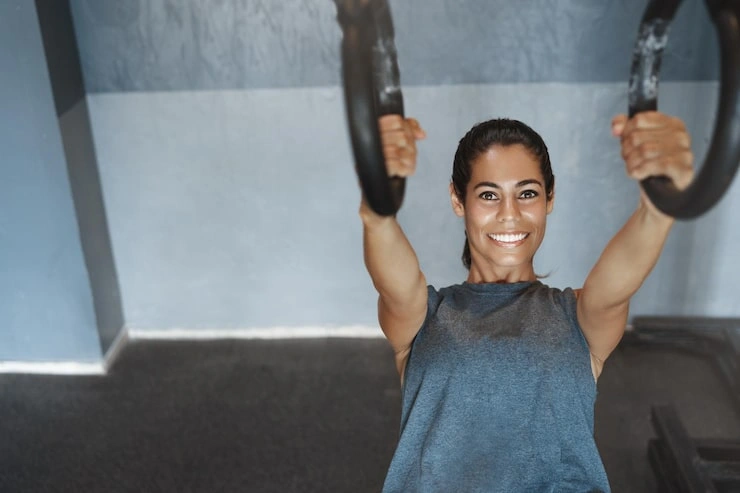
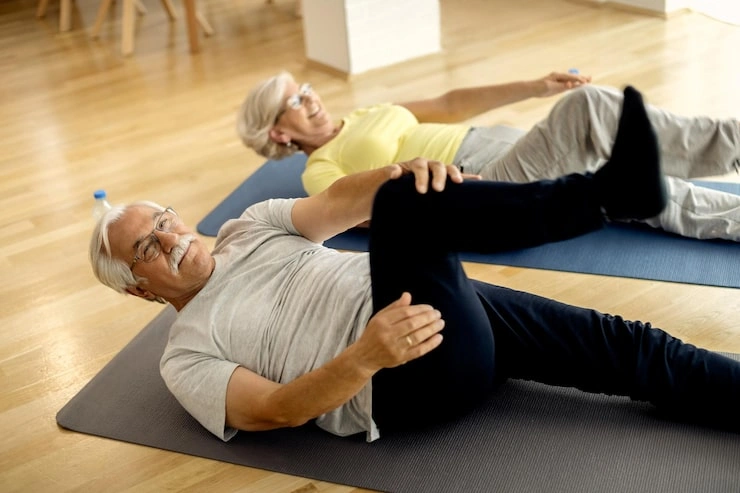
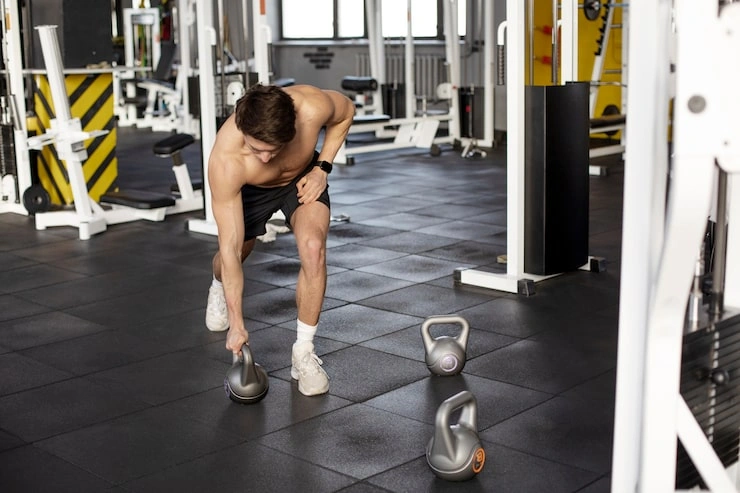
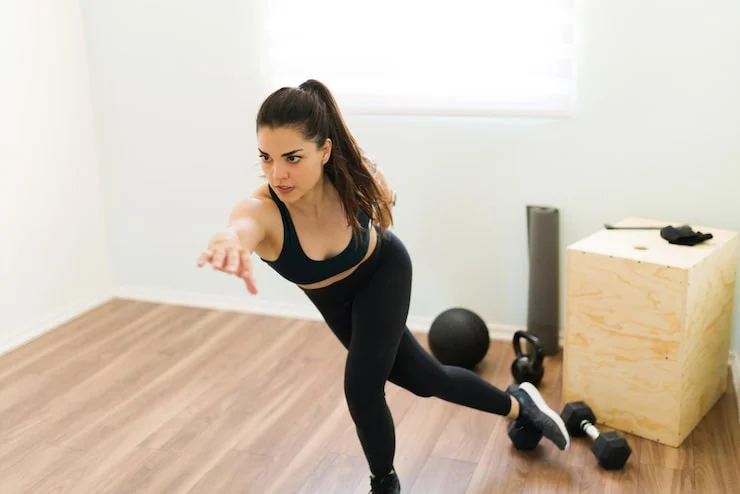
You want to get stronger. You want to build muscle. But you do not want to go to a gym. You feel shy. You think people will judge you. You think you need expensive equipment. You think you need a personal trainer.
Let me tell you something. None of that is true.
You can start strength training right at home. You do not need heavy weights. You do not need big machines. You do not need anyone watching you. You just need your body and a little bit of open space.
Many people think strength training is only for young people. That is wrong. Many people think it is only for men. That is wrong too. Anyone can do it. Men and women. Young and old. Students and working people. Parents and grandparents. Everyone benefits from strength training.
I remember when I started. I had no idea what to do. I watched videos. I read articles. I made many mistakes. My form was wrong. I used too much weight. I got injured. I felt frustrated. I wanted to quit.
But I did not quit.
I learned from my mistakes. I found simple exercises. I practiced them daily. I got better. My body changed. My confidence grew. Now I want to help you. I want you to avoid my mistakes. I want you to start right.
This guide will walk you through everything. Step by step. Exercise by exercise. You will know exactly what to do. You will know how to do it. You will know why it beginner strength training workout at home.
Let us begin.
Why You Should Build Muscle?
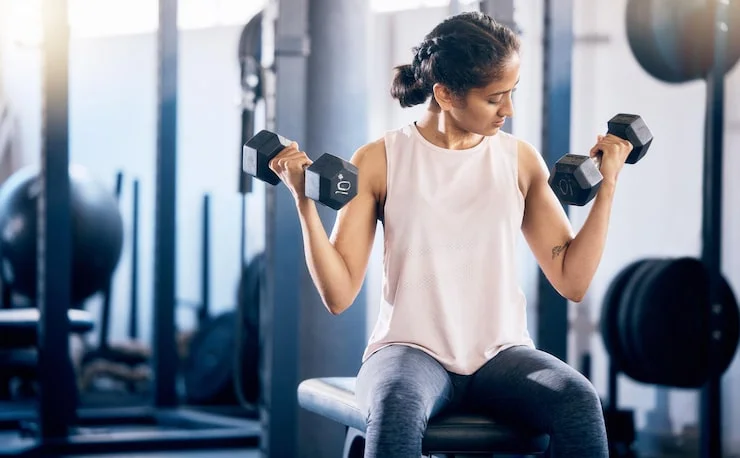
Muscle is not just for looks. It does many things inside your body. When you have good muscle mass, your whole body works better.
First, muscle protects your bones. As you age, your bones become weak. They can break easily. Strength training puts pressure on your bones. This pressure tells your bones to stay strong. They do not become brittle. They do not break from small falls.
Second, muscle helps your heart. Bigger muscles burn more calories. Even when you are sitting, your muscles are working. They keep your metabolism high. Your blood sugar stays normal. Your blood pressure stays normal. You have lower risk of heart disease.
Third, muscle changes how you feel. When you exercise, your brain releases happy chemicals. Your stress goes away. Your sleep improves. You wake up fresh. You feel energetic throughout the day. You do not feel tired all the time.
Fourth, muscle makes daily life easy. Carrying groceries becomes simple. Climbing stairs does not make you breathless. Playing with your children becomes fun. Your posture improves. You stand taller. You feel more confident.
Fifth, muscle helps you live longer. Studies show that people with good muscle strength live longer. They have fewer diseases. They stay independent longer. They do not need help with daily tasks.
So strength training is not vanity. It is health. It is longevity. It is happiness. It is freedom.
You do not need to become a bodybuilder. You do not need huge muscles. You just need enough muscle to keep your body strong and healthy. That is all.
Read Also: Low Impact Workout For Beginners At Home
What You Need To Start?
Let me tell you something surprising. You do not need much. Really. You can start today without buying anything.
Your Body
Your body is your main tool. It weighs something. When you do squats, you lift your body weight. When you do push-ups, you lift your body weight. When you do planks, you hold your body weight. Your body is heavy enough for beginners.
A Mat
Floor exercises can hurt your back and knees. A mat gives cushion. If you do not have a mat, use a thick bedsheet. Fold it a few times. Place it on the floor. That works too.
A Chair
You need a chair for balance. You need it for tricep dips. Choose a sturdy wooden chair. Keep it against the wall. It should not wobble or slide.
Dumbbells
You do not need them right away. But after a few weeks, your body weight feels light. Then you add dumbbells. Start with 2 kg for women. Start with 5 kg for men. You can buy them later. No rush.
Resistance Bands
These are rubber bands with handles. They are cheap. They are light. You can carry them anywhere. They give resistance when you pull. They work your muscles well. Buy them if you want variety.
Water And Towel
Keep water nearby. Drink small sips between sets. Do not drink too much at once. It gives you cramps. Keep a towel to wipe sweat. You will sweat. Sweating is good. It means your body is working.
That is everything. You have most of these things at home. You do not need to spend money. You do not need to visit a shop. You can start right now.
Warming Up Your Body
Never skip warm-up. Never. This is the most common mistake. People think warm-up wastes time. They jump directly into exercises. Their muscles are cold. Their joints are stiff. They get injured. Then they cannot exercise for weeks.
Warm-up takes ten minutes. Just ten minutes. It prepares your body. It increases blood flow. It wakes up your nervous system. Your muscles become ready to work.
Here are five warm-up exercises. Do them in order. Take your time. Do not rush.
Arm Circles
Stand straight. Stretch both arms to your sides. Keep them straight. Make small circles forward. Do this ten times. Then make small circles backward. Do this ten times. Now make larger circles. Continue for ten more. Your shoulders feel loose and warm.
Leg Swings
Hold the back of a chair. Stand on your left leg. Swing your right leg forward and backward. Keep your leg straight. Do not bend your knee. Swing gently. Do this ten times. Then hold the chair with your other hand. Swing your left leg ten times. Your hip joints become mobile. Your legs feel light.
Torso Twists
Stand with feet apart. Place your hands on your hips. Turn your upper body to the right. Look over your right shoulder. Hold for one second. Turn to the left. Look over your left shoulder. Hold for one second. Do this ten times each side. Your spine becomes flexible. Your back warms up.
Jumping Jacks
Stand straight with arms at your sides. Jump and spread your legs wide. At the same time, bring your hands together above your head. Clap once. Jump again and bring your legs together. Bring your arms down. Do this for one minute. Your heart starts beating faster. Your entire body warms up.
Neck Rolls
Drop your chin to your chest. Roll your head to the right side. Roll it backward. Roll it to the left. Complete a full circle. Do this five times. Then reverse the direction. Do this five times. Be gentle with your neck. Do not force it. Just let it move naturally.
Now your body is warm. Your blood is flowing. Your muscles are ready. You are ready for the main workout.
The Eight Exercises You Will Do
I have chosen eight exercises for you. Each exercise works a different muscle group. Together they build your entire body. You do not need to choose exercises yourself. I have already chosen them for you.
Do these exercises in the order I give. Do not change the order. Do not skip any exercise. Each one is important.
Take rest between exercises. Rest for 30 to 60 seconds. This lets your muscles recover. You perform better in the next exercise.
Do this routine three times per week. For example, Monday, Wednesday, and Friday. Rest on Tuesday and Thursday. Rest on Saturday and Sunday. Your muscles grow on rest days. Do not skip rest days.
Let us go through each exercise in detail.
Squats For Legs And Hips
Squats are the best leg exercise. They work your thighs. They work your hips. They work your buttocks. They work your lower back. One exercise does all of this.
How To Do Squats
Stand with your feet apart. Keep them slightly wider than your hips. Point your toes slightly outward. Keep your chest up. Keep your shoulders back. Look straight ahead. Now push your hips backward. Pretend you are sitting on a chair. Lower your body slowly. Keep going until your thighs are parallel to the floor. Your knees should not go past your toes. Then push through your heels. Stand back up straight.
Common Errors
Many people lean forward. Their chest drops. Their back rounds. This hurts the lower back. Keep your chest high. Keep your back straight. Your weight should be on your heels. If you can lift your toes, your weight is right.
Many people let their knees cave inward. This hurts the knee joint. Push your knees outward. Keep them pointing in the same direction as your toes.
Make It Easier
If squats are hard, use a chair. Place a chair behind you. Lower yourself until you touch the chair. Then stand back up. The chair gives you confidence. You know you will not fall.
Make It Harder
If squats are easy, hold dumbbells in your hands. Keep them at your sides. Lift them as you squat. This adds weight. Your legs work harder.
How Many To Do
Start with 10 squats. Rest for 30 seconds. Do this three times. That is three sets of ten. Over time, increase to 12 squats. Then 15 squats.
Push-Ups For Chest And Arms
Push-ups build your chest. They build your shoulders. They build your arms. They also work your stomach. Your core stays tight during push-ups. So you get a stronger belly too.
How To Do Knee Push-Ups
Start on your hands and knees. Place your hands under your shoulders. Place your knees on the floor. Your body should form a straight line from your head to your knees. Tighten your stomach. Now lower your chest toward the floor. Keep your elbows close to your body. They should point backward, not outward. Lower until your chest almost touches the floor. Then push back up. Straighten your arms.
Common Errors
Many people let their hips sag. Their belly drops toward the floor. This hurts the lower back. Keep your body straight. Many people stick their buttocks up. This makes the exercise easier but wrong. It does not work the chest properly.
Make It Easier
If knee push-ups are still hard, do wall push-ups. Stand at arm's length from a wall. Place your palms on the wall. Lean forward. Push back. This is the easiest version. Slowly move to knee push-ups.
Make It Harder
If knee push-ups are easy, do full push-ups. Balance on your toes instead of your knees. Keep your body straight. Do the same movement. This works your muscles more.
How Many To Do
Start with 8 push-ups. Rest for 30 seconds. Do this three times. Over time, increase to 10. Then 12.
Glute Bridges For Buttocks
Glute bridges work your buttocks. They also work your lower back. They help your posture. If you sit for long hours, your buttocks become weak. Glute bridges wake them up.
How To Do Glute Bridges
Lie on your back. Bend your knees. Place your feet flat on the floor. Keep your feet apart. Keep them hip-width apart. Place your arms at your sides. Your palms should face down. Now push through your heels. Lift your hips toward the ceiling. Squeeze your buttocks at the top. Hold for two seconds. Then lower your hips back to the floor.
Common Errors
Many people push through their toes. This does not work the buttocks properly. Always push through your heels. Many people lift their hips too high. Their back arches. This hurts the spine. Keep your body in a straight line from knees to shoulders.
Make It Easier
Do the same movement but with smaller lifts. Lift your hips just a little. Do not go all the way up. This is easier on your beginner strength training workout at home.
Make It Harder
Place a dumbbell on your hips. Hold it with your hands. Lift your hips with the extra weight. This adds resistance. Your buttocks work harder.
How Many To Do
Start with 12 glute bridges. Rest for 30 seconds. Do this three times. Over time, increase to 15. Then 18.
Planks For Your Core
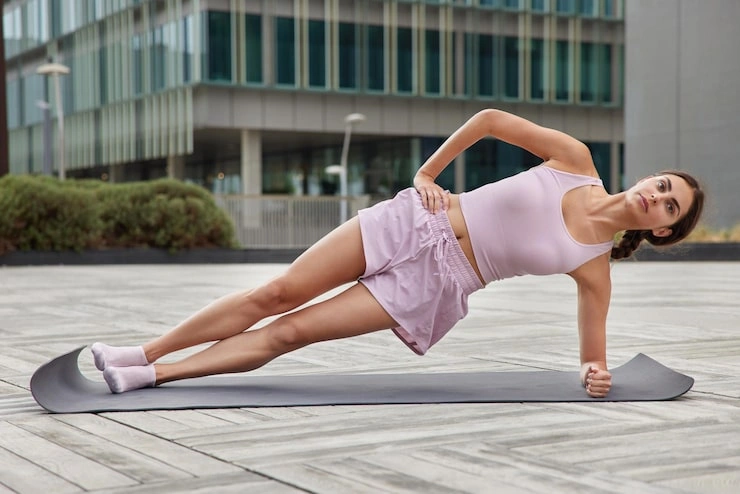
Planks build stomach strength. They build back strength. They improve your balance. They make your whole midsection solid and strong.
How To Do Knee Planks
Start on your elbows and knees. Place your elbows under your shoulders. Keep your knees on the floor. Tighten your stomach. Lift your hips off the floor. Keep your body straight from your head to your knees. Hold this position. Breathe slowly.
Common Errors
Many people let their hips drop. Their belly almost touches the floor. This hurts the lower back. Keep your hips in line. Many people lift their hips too high. Their buttocks stick up. This makes the exercise easy but wrong. Keep your body straight.
Make It Easier
Do the plank against a wall. Stand facing a wall. Place your forearms on the wall. Step back a little. Lean into the wall. Hold. This is very easy. Slowly move to knee planks.
Make It Harder
Do full planks on your toes. Keep your legs straight. Lift your knees off the floor. Hold. This doubles the difficulty. You can also lift one leg. Hold for two seconds. Switch legs.
How Long To Hold
Start with 20 seconds. Rest for 45 seconds. Do this three times. Over time, increase to 30 seconds. Then 40 seconds.
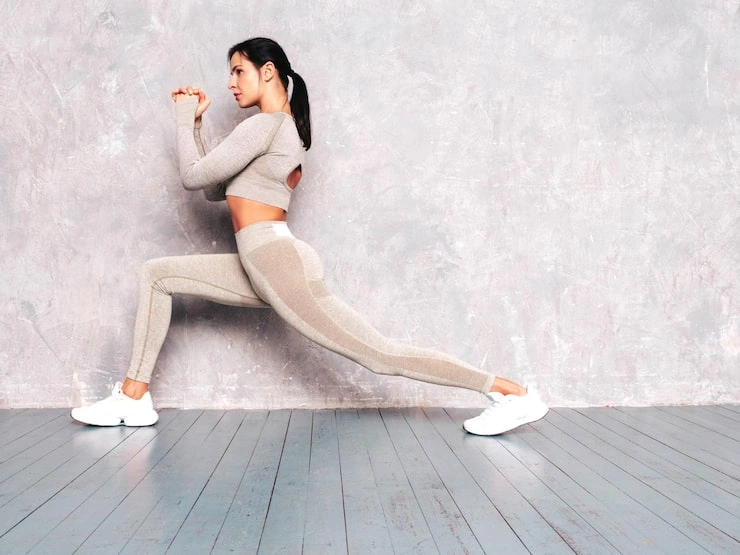
Lunges For Legs And Balance
Lunges shape your thighs. They shape your buttocks. They improve your balance. They make walking and climbing easier.
How To Do Reverse Lunges
Stand straight. Keep your feet together. Keep your hands on your hips. Step your right foot backward. Lower your body. Keep going until your left thigh is parallel to the floor. Your right knee should almost touch the floor. Your left knee should not go past your left toes. Then push through your left heel. Stand back up. Bring your right foot back. Repeat with your left foot.
Common Errors
Many people let their front knee go past their toes. This hurts the knee. Keep your weight in your front heel. Many people lean forward. Their chest drops. Keep your chest tall. Face forward.
Make It Easier
Hold a chair with one hand. This gives you balance. You can also take smaller steps. Do not go too deep. Go halfway down. Slowly increase depth.
Make It Harder
Hold dumbbells in both hands. Keep them at your sides. Lunge with extra weight. Or do walking lunges. Step forward instead of backward. Keep moving forward across the room.
How Many To Do
Do 10 lunges on your right leg. Then do 10 lunges on your left leg. That is one set. Rest for 45 seconds. Repeat for three sets. Over time, do 12 on each leg.
Dumbbell Rows For Your Back
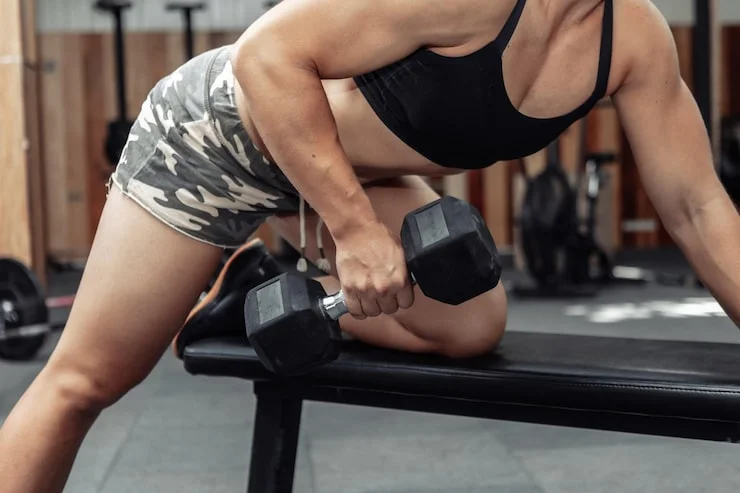
Back muscles are important. They help your posture. They prevent hunchback. They make your upper body strong.
How To Do Dumbbell Rows
Stand with feet apart. Hold a dumbbell in your right hand. Bend forward at your hips. Keep your back straight. Your upper body should be almost parallel to the floor. Let your right arm hang down. Keep your left hand on your left thigh for support. Now pull the dumbbell up toward your ribs. Squeeze your back muscles. Hold for one second. Lower the dumbbell back down slowly. Complete all reps on the right. Then switch the dumbbell to your left hand. Complete all reps on the left.
Common Errors
Many people round their back. Their spine curves. This hurts the lower back. Keep your back straight. Many people use their arm to lift. The back muscles should do the work. Think about squeezing your shoulder blade. Many people jerk the weight. Move smoothly and slowly.
Make It Easier
If you do not have dumbbells, use a resistance band. Step on one end of the band. Hold the other end. Pull the band up. This gives resistance. You can also use a filled water bottle. Hold it like a dumbbell.
Make It Harder
Increase the weight of your dumbbell. Or do more repetitions. Or slow down the movement. Take three seconds to lift. Take three seconds to lower.
How Many To Do
Do 10 rows on your right side. Do 10 rows on your left side. That is one set. Rest for 30 seconds. Repeat for three sets. Over time, do 12 on each side.
Tricep Dips For Back Of Arms
The back of your arms gets flabby easily. Tricep dips fix that. They tighten and tone this area.
How To Do Tricep Dips
Sit on the edge of a sturdy chair. Place your hands next to your hips. Your fingers should face forward. Walk your feet forward. Keep your knees bent at 90 degrees. Slide your hips off the chair. Lower your body down. Keep going until your elbows make a right angle. Then push back up. Straighten your arms. Your shoulders should stay down. Do not shrug them up.
Common Errors
Many people let their elbows flare outward. This puts stress on your shoulders. Keep your elbows pointing backward. Many people drop their hips too low. Their shoulders hurt. Stop at a right angle. Many people rush. They bounce up and down. Move slowly.
Make It Easier
Keep your feet closer to the chair. The closer your feet, the easier the dip. Keep your knees bent. This takes weight off your arms.
Make It Harder
Straighten your legs. Keep your feet farther from the chair. Place a dumbbell on your thighs. This adds weight. Your arms work harder.
How Many To Do
Start with 8 dips. Rest for 30 seconds. Do this three times. Over time, increase to 10. Then 12.
Bicycle Crunches For Stomach
This is the best stomach exercise. It works your upper abs. It works your lower abs. It works your side muscles. Everything gets a workout.
How To Do Bicycle Crunches
Lie on your back. Lift your legs off the floor. Bend your knees to 90 degrees. Your thighs should be vertical. Your lower legs should be parallel to the floor. Place your hands behind your head. Keep your elbows wide. Now bring your right elbow toward your left knee. At the same time, straighten your right leg. Keep it off the floor. Then bring your left elbow toward your right knee. Straighten your left leg. Keep pedaling. Move like you are riding a bicycle.
Common Errors
Many people pull their neck with their hands. This hurts the neck. Keep your hands light. Do not pull. Many people move too fast. Slower is better. Breathe out as you crunch. Breathe in as you straighten.
Make It Easier
Keep your feet on the floor. Do regular crunches. Lift just your shoulders off the floor. Hold for two seconds. Lower back down. This is simpler.
Make It Harder
Hold your legs straight off the floor. Do not bend your knees. This makes your abs work harder. You can also hold a dumbbell on your chest.
How Many To Do
Do 12 bicycle crunches on each side. That means 12 right elbows to left knees. And 12 left elbows to right knees. Rest for 30 seconds. Do this three times. Over time, do 15 on each side.
You May Also Like: Low Impact Workout For Overweight Beginners
Cooling Down Your Body
Your muscles worked hard. They are tight. They need to relax. Cooling down takes ten minutes. It brings your heart rate down slowly. It prevents stiffness. It reduces soreness.
Quad Stretch
Stand straight. Hold a wall for balance. Bend your right knee. Bring your right heel toward your buttock. Hold your ankle with your right hand. Keep your knees together. You will feel a stretch in your front thigh. Hold for 20 seconds. Release. Switch legs.
Hamstring Stretch
Sit on the floor. Extend your right leg straight. Bend your left knee. Place your left foot against your right thigh. Lean forward from your hips. Reach toward your right toes. Keep your back straight. Do not round it. You will feel a stretch behind your right thigh. Hold for 20 seconds. Switch legs.
Chest Stretch
Stand in a doorway. Place your right forearm on the door frame. Keep your arm at shoulder height. Turn your body away from the door. You will feel a stretch in your chest and shoulder. Hold for 20 seconds. Switch sides.
Child's Pose
Kneel on the floor. Sit back on your heels. Fold your body forward. Rest your forehead on the floor. Stretch your arms out in front. Breathe deeply. Hold for 30 seconds. This relaxes your entire back and shoulders.
Shoulder Rolls
Roll your shoulders backward. Do this slowly. Roll five times. Then roll your shoulders forward. Do this five times. Your shoulders feel loose now. All tension is gone.
Becoming Stronger Over Time
Your body changes quickly. After two weeks, the exercises become easy. This is good. But now you need to increase difficulty. If you do the same thing forever, you stop improving.
Here is how you make progress.
Increase Repetitions
If you did 10 squats, do 12 squats. If you did 8 push-ups, do 10 push-ups. Small increases add up.
Increase Sets
Start with 3 sets of each exercise. After three weeks, do 4 sets. This gives your muscles more work.
Increase Weight
Your dumbbells feel light after some time. Buy heavier ones. Go from 2 kg to 3 kg. Then to 5 kg. Small jumps work best.
Harder Variations
Move from knee push-ups to full push-ups. Move from regular planks to toe planks. Move from bodyweight squats to dumbbell squats. Each variation challenges you more.
Less Rest
If you rest 60 seconds, try 45 seconds. If you rest 45 seconds, try 30 seconds. Your muscles get less recovery. Your endurance improves.
Change Order
Do the hardest exercises first. You have more energy at the start. Save easier exercises for the end. Your performance improves.
Workout Schedule For Your Week
Here is a complete weekly schedule. Follow this every week. It keeps you consistent.
Monday – Workout Day
-
Warm up for 10 minutes
-
Do all eight exercises
-
Cool down for 10 minutes
-
Eat a protein-rich meal
Tuesday – Rest Day
-
Go for a 20 minute walk
-
Do some light stretching
-
Drink enough water
-
Eat healthy meals
Wednesday – Workout Day
-
Warm up for 10 minutes
-
Do all eight exercises
-
Try to do one extra rep
-
Cool down for 10 minutes
Thursday – Rest Day
-
Go for a 20 minute walk
-
Do some light stretching
-
Drink enough water
-
Eat healthy meals
Friday – Workout Day
-
Warm up for 10 minutes
-
Do all eight exercises
-
Try a harder variation
-
Cool down for 10 minutes
Saturday – Active Rest
-
Do yoga or stretching
-
Go cycling or swimming
-
Play a sport you like
Sunday – Complete Rest
-
Rest completely
-
Sleep well
-
Prepare meals for next week
-
Plan your workouts
Eating Right For Muscle Growth
Exercise is half the work. Food is the other half. Your muscles need building blocks. Give them the right food and they grow. Give them wrong food and you feel tired.
Protein Is Most Important
Protein builds muscle. Eat protein with every meal. Good sources are eggs, chicken, fish, paneer, lentils, chickpeas, yogurt, and milk. Have a protein snack after your workout. This helps your muscles repair.
Carbohydrates Give Energy
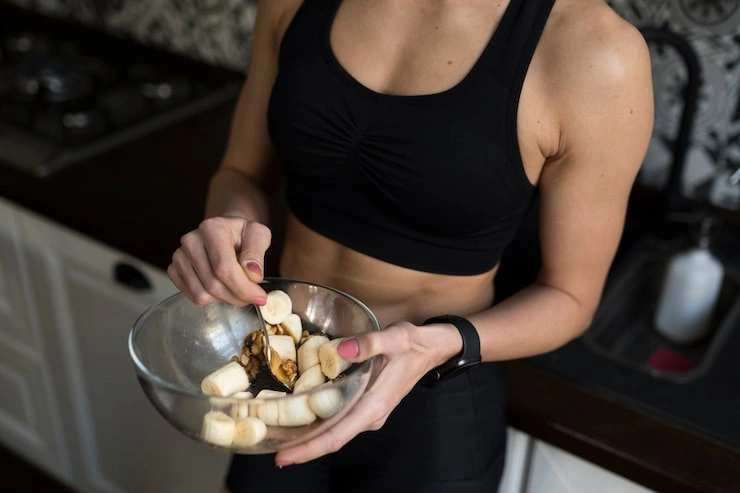
Carbohydrates are your fuel. Do not avoid them. Eat rice, roti, oats, bananas, potatoes, and sweet potatoes. Eat them before your workout. Eat them after too. They refill your energy.
Healthy Fats Support Your Body
Fats are not bad. Good fats help your hormones. Hormones help muscle growth. Eat nuts, seeds, olive oil, and ghee. But eat small amounts. Too much fat is not good.
Water Is Essential
Your muscles are made of water. Drink water all day. Drink before your workout. Drink during your workout. Drink after your workout. If you are dehydrated, you get cramps. You cannot perform well.
Eat On Time
Eat breakfast, lunch, and dinner. Do not skip meals. Have small snacks in between. This keeps your energy stable. Your muscles get steady nutrients.
Mistakes That Beginners Make
Let me tell you about common mistakes. Many beginners make them. You can avoid them. You can progress faster.
Skipping The Warm-Up
Some people go straight to exercises. Their muscles are cold. They get injured. Then they cannot workout for weeks. Always warm up for ten minutes.
Using Heavy Weights
Heavy weights do not build muscle faster. They build bad form. Bad form causes injuries. Start with light weights. Focus on doing the movement correctly. Increase weight later.
Forgetting To Breathe
Many people hold their breath. This raises blood pressure. It makes you dizzy. Breathe out on the hard part. Breathe in on the easy part.
Not Sleeping Enough
Your muscles repair while you sleep. If you sleep less than seven hours, recovery suffers. You feel tired. Your next workout is poor. Prioritize sleep.
Comparing Yourself To Others
Everyone starts somewhere. Fitness influencers have trained for years. Do not compare. Focus on your own progress. Celebrate your small wins.
Quitting Too Early
Results take time. You will not see changes in one week. You will not see changes in two weeks. Be patient. Stick with it for eight weeks. Then see the difference.
Doing Same Workout Forever
Your body adapts. The same workout stops working. You must increase difficulty. Add reps. Add weight. Change variations. Always challenge yourself.
FAQs
How quickly will I see changes?
You will feel stronger in two weeks. You will see small muscle changes in four weeks. You will see visible body changes in eight weeks. Stay patient and consistent.
Muscle soreness is normal?
Yes, soreness is normal. It means your muscles worked. It goes away in one to two days. Light stretching helps. Gentle movement helps. If you have sharp pain, stop. That is injury, not soreness.
Can I workout daily?
No. Your muscles need rest. Workout every other day. Give 48 hours between sessions. This is when muscles grow.
What if I miss a workout?
It happens. Do not stress. Do your next workout as scheduled. Do not double up to catch up. That causes injury.
How do I stay motivated?
Set small goals. Track your progress. Take photos each week. Join online fitness groups. Find a friend to workout with. Remind yourself why you started.
Can I do running with strength training?
Yes, but do running after strength training. Or do running on rest days. Walking, cycling, swimming are good too. But do not do too much. Too much cardio burns muscle.
Do I need protein powder?
No. Food gives you everything. Protein powders are optional. Eat whole foods first. They are better.
Writing Down Your Progress
Keep a notebook. Write everything down. It keeps you accountable. It shows how far you have come.
What To Write
Write the date. Write each exercise. Write your repetitions. Write your weight. Write how you felt. Write your body weight each week. Write your measurements each month.
Example Tracker
| Date | Exercise | Reps | Sets | Weight | How You Felt |
|---|---|---|---|---|---|
| 1 Jan | Squats | 10 | 3 | Bodyweight | Good |
| 1 Jan | Push-ups | 8 | 3 | Knee | Hard |
| 1 Jan | Glute Bridges | 12 | 3 | Bodyweight | Easy |
Review Each Week
Look at last week's numbers. Try to beat them. Do one extra rep. Add a little weight. Reduce rest time. Small improvements add up.
Celebrate Goals
When you hit a goal, celebrate. Did your first full push-up? Celebrate. Squatted with 5 kg dumbbells? Celebrate. Workout consistently for one month? Celebrate. Reward yourself.
Your Journey Starts Today
Starting something new takes courage. You are here. You read this far. That means you are ready. You want change. You want to be stronger. You want to be healthier.
This is your journey. Do not rush. Do not compare. Do not give up. Every small effort matters. Every squat brings you closer. Every push-up builds your confidence.
Your home is your gym. Your body is your equipment. Your determination is your fuel. You have everything you need. Right here. Right now.
Start today. Not Monday. Not next month. Today. Do one squat. Do one push-up. Do one plank. That is enough to begin.
You will make mistakes. That is fine. You will have bad days. That is normal. What matters is you keep going. Show up for yourself. Do your best. That is all anyone can ask.
In two months, look back. You will be amazed. You will be proud. You will be stronger in body and mind. You will wonder why you did not start earlier.